In the event you stay with diabetes, you recognize that dwelling with this illness is like strolling a tightrope.
It is very important preserve a sure stability in order that blood sugar ranges don’t get too excessive (hyperglycemia) or too low (hypoglycemia).
However what stage of blood sugar is definitely thought of harmful?
This text explores this concern and offers recommendation that can assist you handle each excessive and low diabetes, actually.
What’s regular blood sugar?
In keeping with the American Diabetes Affiliation, a standard fasting blood sugar stage (when you have not eaten or drank something however water within the morning) is lower than 100 mg/dL.
A fasting blood glucose stage of 100 to 125 mg/dL signifies prediabetes, and a worth above 125 signifies diabetes.
| fasting blood sugar stage | consequence |
| Lower than 100mg/dl | often |
| 100mg/dl~125mg/dl | prediabetes |
| 126mg/dl or extra | diabetes |
(In the event you stay exterior the US and are used to measuring in mmol/L, divide all numbers by 18)
In the event you as an alternative check your blood sugar 2 hours after consuming or consuming one thing containing sugar (oral glucose tolerance check), listed here are the numbers to search for:
| Oral glucose tolerance check | consequence |
| Lower than 140mg/dl | often |
| 140 mg/dl ~ 199 mg/dl | prediabetes |
| 200mg/dl or extra | diabetes |
For extra info, please see the next detailed articles: What’s regular blood sugar?
The hazards of hyperglycemia
Excessive blood sugar ranges imply there may be an excessive amount of sugar within the blood as a consequence of a scarcity of insulin within the physique. This could happen for quite a lot of causes, together with not getting sufficient insulin from the skin, lack of train, overeating, and even stress, hormonal modifications, and lack of sleep.
Hyperglycemia is harmful, nevertheless it’s vital to do not forget that hyperglycemia is sort of all the time harmful long run (In the event you’re not in DKA, we’ll clarify extra beneath).
Because of this normally, blood sugar ranges on the time of prognosis don’t trigger long-term problems, and the elevated blood sugar ranges you noticed once you ate an ice cream sundae final week could have no long-term results.
Nonetheless, continual, long-term hyperglycemia (take into account a lifetime of diabetes with a median blood sugar stage of 200 mg/dL) causes problems of diabetes in most individuals.
What is taken into account excessive blood sugar?
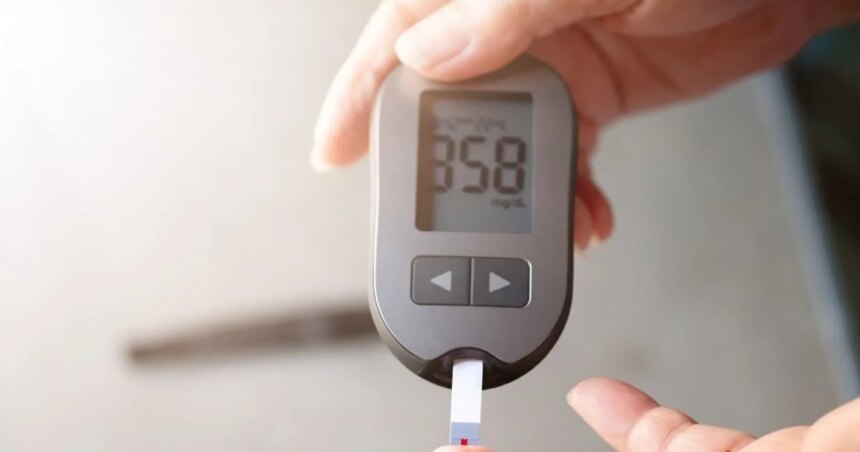
A diabetic affected person is taken into account hyperglycemic when their blood sugar stage exceeds 125 mg/dL, which signifies a prognosis of diabetes. Nonetheless, a blood sugar stage of 145 mg/dL is often not an issue, particularly if you’re sleeping or planning to train.
Most individuals expertise signs of hyperglycemia when their blood sugar ranges attain 180 to 200 mg/dL.
Blood sugar ranges above 200 mg/dL needs to be handled with insulin instantly (water and train can even assist). In case your blood sugar stage is above 250 mg/dL, it’s best to check your urine for ketones to be sure to are usually not in diabetic ketoacidosis (DKA).
That is when the blood sugar and ketone our bodies within the blood stay dangerously excessive for too lengthy, inflicting the physique’s blood to develop into acidic. This may be deadly if not handled instantly.
This could occur once you’re preventing an sickness or an infection, a pump injection web site malfunctions, and even in the event you neglect to take your insulin for a couple of days.
Sadly, roughly 25% of individuals newly identified with kind 1 diabetes are identified whereas already in DKA.
In case your blood sugar stage is above 250 mg/dL and you’ve got reasonable to excessive ketone ranges for a number of hours and your blood sugar stage doesn’t come down, contact your physician instantly and search emergency remedy.
Individuals with diabetes are at elevated threat of diabetic coma as a consequence of hyperglycemia when their blood sugar ranges attain 600 mg/dL or greater.
At this level, the blood turns into thick and syrupy, and extra sugar passes from the blood into the urine, triggering a filtration course of that removes giant quantities of water from the physique (known as “diabetic hyperosmolar syndrome”).
That is actually a medical emergency and is extraordinarily harmful and probably life-threatening. If you end up on this scenario, please name 911.
What are the signs of excessive blood sugar?
Signs of hyperglycemia fluctuate relying on severity.
Early indicators and signs of hyperglycemia
In case your blood sugar stage is round 200 mg/dL however not but dangerously excessive, you might expertise the next signs:
- elevated thirst
- must urinate regularly
- fatigue
- muscle ache
- barely blurred imaginative and prescient
- headache
Subsequent indicators and signs of hyperglycemia
When you have ketones and are in danger for DKA, you might expertise the next signs:
- nausea
- vomiting
- fruity scented breath
- dry mouth
- weight reduction
- Weak spot
- excessive fatigue
- confusion
- extreme muscle ache
- extraordinarily blurry imaginative and prescient
- shortness of breath
- Prime
In the event you develop late signs of excessive blood sugar, search quick medical consideration.
Threat of hypoglycemia
Low blood sugar, also referred to as hypoglycemia, can develop into harmful extra rapidly. If left untreated, hypoglycemia can rapidly result in diabetic coma and dying.
Though normally hypoglycemia doesn’t trigger everlasting problems (until an individual goes right into a diabetic coma and experiences mind swelling or a traumatic mind harm), experiencing hypoglycemia usually causes short-term problems within the type of being bodily unable to operate. Therapy requires fast-acting glucose (or glucagon photographs).
Signs of hypoglycemia can seem at completely different occasions in several folks, and a few folks might not really feel hypoglycemia in any respect (known as hypoawareness). That is extraordinarily harmful.
Steady blood sugar monitoring methods and diabetic alert canines can assist folks detect low blood sugar ranges early, earlier than they develop into very harmful.
Decreased consciousness happens in roughly 40% of individuals with kind 1 diabetes and fewer regularly in folks with kind 2 diabetes.
Moreover, one research reveals that the common kind 1 diabetic experiences two episodes of hypoglycemia per week.
Hypoglycemia can happen for quite a lot of causes, all of that are brought on by an excessive amount of insulin within the bloodstream and never sufficient glucose for the physique to operate correctly.
This might be for quite a lot of causes, together with taking an excessive amount of insulin with meals, by chance over-boring together with your insulin pump, not consuming a whole meal, consuming an excessive amount of alcohol, and even after exercising or exercising with out decreasing your basal insulin settings correctly.
What is taken into account hypoglycemia?
For the common diabetic, hypoglycemia means lower than 80 mg/dL (for pregnant girls, who require tighter management, hypoglycemia means lower than 60 mg/dL).
Very hypoglycemia is outlined as a studying of lower than 40 mg/dL. Something beneath 40 mg/dL is taken into account extraordinarily harmful and probably deadly.
If blood sugar ranges don’t rise above 40 mg/dL for a number of hours, the chance of creating a diabetic coma will increase considerably.
In the event you expertise extreme low blood stress and are unable to chew meals or swallow liquids, you’ll need an emergency injection of glucagon (often into the thigh muscle or buttock).
What are the signs of hypoglycemia?
- confusion
- anger/dissatisfaction
- Sweating/stickiness
- Shaking and unstable motion
- quick pulse
- starvation
- lethargy
- irritation
- dizziness
- tough to talk
- muscle weak point
If you’re experiencing extreme hypoglycemia beneath 40 mg/dL that doesn’t reply to fast-acting glucose or glucagon, and you’ve got taken fast-acting insulin throughout the previous 2 hours, name 911 and search emergency medical care instantly.
This situation could be life-threatening if not handled.
Tricks to keep away from hyperglycemia and hypoglycemia
Strolling a tightrope life with diabetes shouldn’t be simple.
It’s important to strive on daily basis to maintain your blood sugar ranges from getting too excessive or too low, which could be very tiring.
Listed below are some methods to maintain your blood sugar ranges balanced.
- Eat comparable meals and meals with predictable carbohydrate content material
- Cooking at residence helps you retain observe of all of the components in your meals
- Preserve an everyday way of life and eat on the identical time on daily basis
- Get sufficient sleep!
- Double-check your insulin dosage to ensure it isn’t too excessive or low.
- Rely the carbs in your meal and if you got insulin for these carbs, eat all of them
- Test the expiry date of your insulin commonly
- Maintain fast-acting glucose and glucagon close by
- Take all insulin and diabetes medicines as prescribed
- If you’re feeling low blood sugar, put on a CGM or carry a diabetic alert canine to detect hypoglycemia.
- Put on a diabetes warning bracelet
- Do not drink an excessive amount of alcohol on an empty abdomen
- Work together with your physician to extend or lower your insulin wants as your life modifications (puberty, being pregnant, getting older, race coaching, and so on.).
- Deal with hyperglycemia and hypoglycemia early and infrequently earlier than they develop into harmful
Hyperglycemia and hypoglycemia generally is a nuisance, however they do not should be scary or harmful.
By using these methods, you may higher put together for and (hopefully) forestall many future occasions.